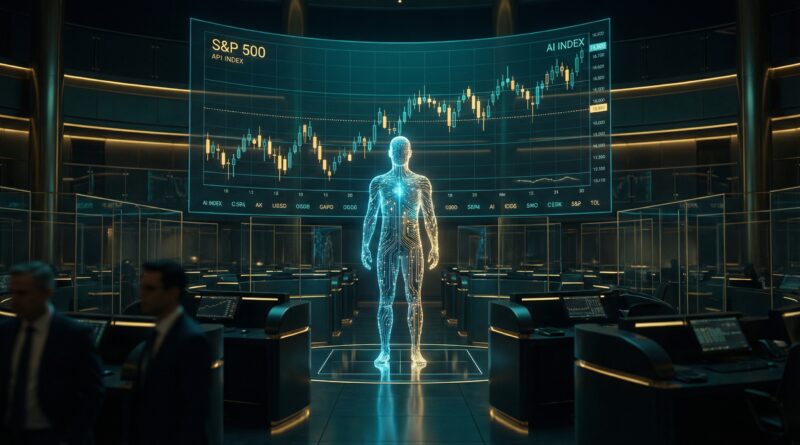
The Stoic Trader: Mastering the Intersection of Psychology and Profit
Most traders spend years hunting for the “Holy Grail” of indicators—a specific combination of RSI, MACD, or Moving Averages that will unlock infinite wealth. But the reality is much more sobering: The market doesn’t care about your indicators; it cares about your discipline.
Financial success is rarely a matter of “knowing more.” It is a matter of “behaving better.” To win at the game of trading, you must first win the war inside your own head.
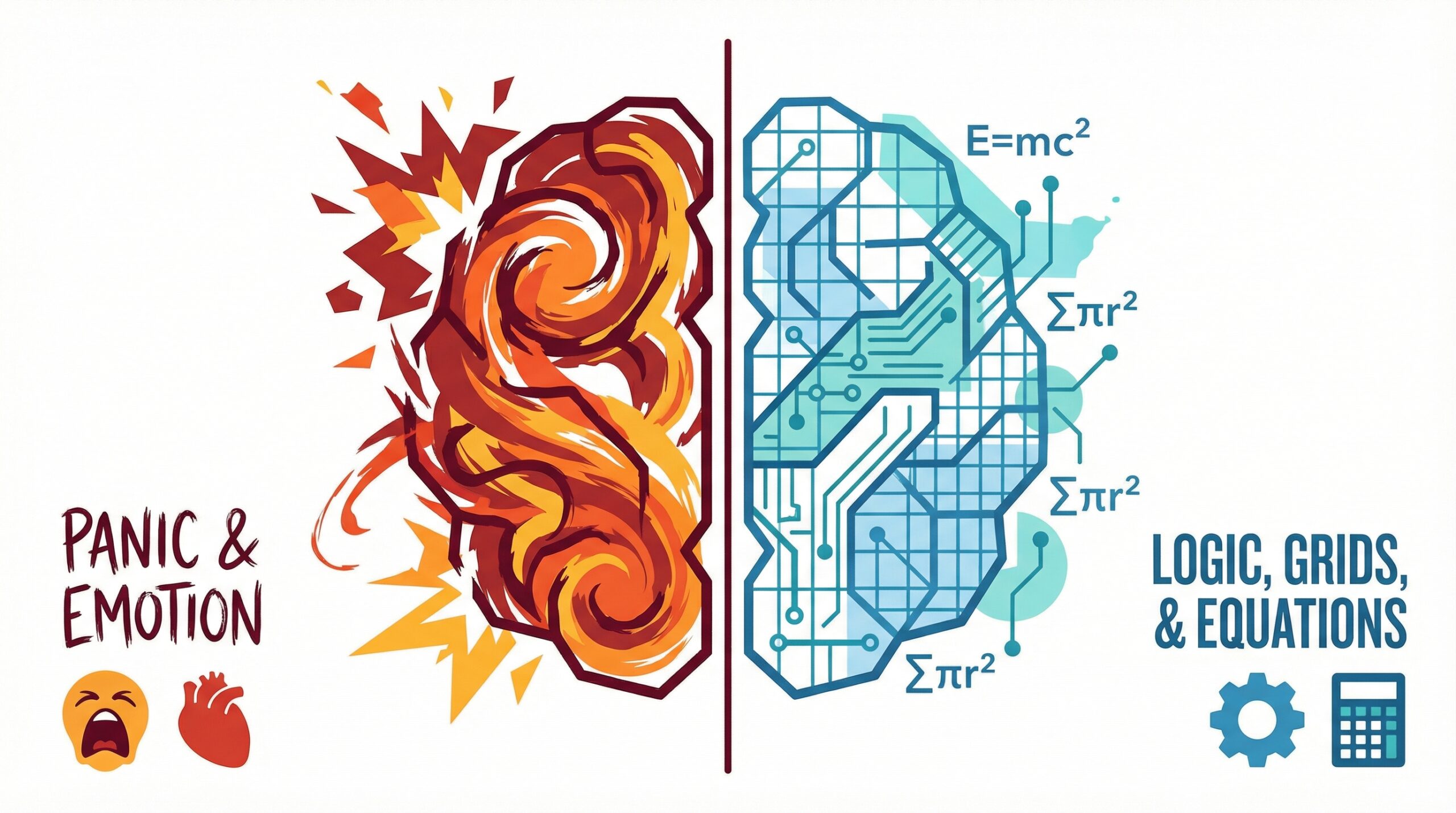
1. The Biological Conflict: Logic vs. Survival
When you enter a trade, your brain’s amygdala (the emotional center) often takes the driver’s seat. If the price ticks against you, it triggers a “fight or flight” response.
- The Error: You treat a red candle on a screen like a predator in the woods.
- The Consequence: You freeze, move your stop-loss further away “just to give it room,” and turn a small, manageable loss into a catastrophic account-clearer.
2. The Strategy: Developing a Probabilistic Mindset
Professional trading is not about being “right”; it’s about expected value ($EV$).
EV = (Win Probability x Average Win) – (Loss Probability x Average Loss)
If your strategy has a 50% win rate, but your wins are twice as large as your losses, you are mathematically guaranteed to be profitable over time. The psychological challenge is enduring the inevitable “losing streaks” without abandoning your system.
3. Two Pillars of a Resilient Trading Plan
- The “Rule of 20”: Never judge a strategy based on one, five, or even ten trades. Commit to executing exactly 20 trades according to your rules. This removes the emotional weight of a single loss and shifts your focus to the process, not the outcome.
- Emotional Detachment through Sizing: If you find your heart racing while a trade is open, your position size is too large. Scale down until the movements of the market no longer trigger a physical reaction.
The Path Forward
The market is a giant mirror. It reflects your insecurities, your greed, and your impatience back at you. If you want to change your P&L, you have to change your internal programming. Stop looking at the charts for a moment and start looking at your habits.
Recommended Reading:
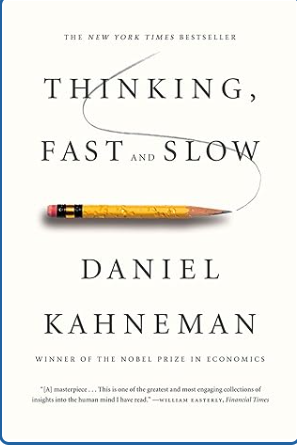
*Major New York Times Bestseller
*More than 2.6 million copies sold
*One of The New York Times Book Review’s ten best books of the year
*Selected by The Wall Street Journal as one of the best nonfiction books of the year
*Presidential Medal of Freedom Recipient
*Daniel Kahneman’s work with Amos Tversky is the subject of Michael Lewis’s best-selling The Undoing Project: A Friendship That Changed Our Minds
In his mega bestseller, Thinking, Fast and Slow, Daniel Kahneman, world-famous psychologist and winner of the Nobel Prize in Economics, takes us on a groundbreaking tour of the mind and explains the two systems that drive the way we think.