The Silent Reset: Why 2026 Won’t Make You Rich — Unless Your Psychology Changes
Estimated Reading Time: 6–7 minutes
Every January, the same illusion returns.
A new year.
A clean slate.
A quiet belief that this will finally be the year everything changes.
2026 is no different.
New calendars don’t create new outcomes.
New numbers don’t rewire old habits.
And new goals don’t fix broken psychology.
If wealth were created by dates, everyone would be rich by now.
The Myth of the “Fresh Start”

Modern culture sells the idea that time itself is transformational.
New Year’s resolutions.
New planners.
New apps.
New strategies.
But psychologically, nothing has reset.
Your relationship with money is not stored in a calendar — it’s stored in your identity.
And identity does not change because the year changes.
It changes when discomfort becomes unavoidable.
Why Most People Enter 2026 With the Same Financial Fate
Here’s the uncomfortable truth:
Most people don’t fail financially because they lack information.
They fail because they protect their self-image at all costs.
We say we want wealth, but subconsciously we fear:
- Outgrowing our social circle
- Becoming responsible for our own decisions
- Losing the excuse of “bad timing”
- Facing the possibility that discipline, not luck, decides outcomes
So instead of changing behavior, we change narratives.
“I’ll start when the market stabilizes.”
“I’ll focus on mindset first.”
“I’m just waiting for the right opportunity.”
Waiting feels productive.
It isn’t.
The Psychological Trap of Early-Year Motivation
January motivation is emotional, not structural.
It’s fueled by:
- Guilt from last year
- Comparison with others
- Temporary optimism
But emotion is a terrible foundation for long-term financial decisions.
Emotion fades.
Systems don’t.
By February, motivation collapses — and old spending patterns quietly return.
This is why most financial change fails not in bad years, but in good ones.
Wealth Is Quiet. Ego Is Loud.
One of the most dangerous misconceptions about wealth is visibility.
People associate progress with:
- Lifestyle upgrades
- External validation
- “Looking successful”
But real wealth is often boring.
It shows up as:
- Not needing to impress
- Saying no to upgrades
- Delaying pleasure
- Choosing asymmetrical patience
Wealth grows in silence.
Ego demands applause.
2026 will reward the quiet ones.

The Question That Actually Matters
Instead of asking:
“What should I invest in this year?”
Ask:
“What behavior am I emotionally attached to that is costing me money?”
This could be:
- Impulse spending as stress relief
- Overtrading to feel intelligent
- Avoiding long-term planning because it feels restrictive
- Chasing trends to feel included
Until that behavior is confronted, no strategy will work.
The Real Reset for 2026
If 2026 becomes different for you, it won’t be because of:
- A new platform
- A new asset
- A new income source
It will be because you stopped negotiating with yourself.
You stopped romanticizing potential.
You stopped consuming and started executing.
You stopped outsourcing discipline to motivation.
And most importantly:
You accepted that wealth is psychological before it is financial.
Final Thought
Time does not change people.
Pressure does.
Clarity does.
Self-honesty does.
2026 won’t make you rich.
But it will expose exactly why you’re not — if you’re willing to look.
Recommended Reading
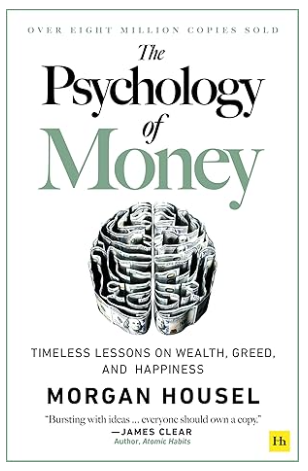
**OVER 8 MILLION COPIES SOLD AROUND THE WORLD… The Psychology of Money is the original bestselling classic from the author of the new book, Same as Ever.**
Doing well with money isn’t necessarily about what you know. It’s about how you behave. And behavior is hard to teach, even to really smart people.
Money―investing, personal finance, and business decisions―is typically taught as a math-based field, where data and formulas tell us exactly what to do. But in the real world people don’t make financial decisions on a spreadsheet. They make them at the dinner table, or in a meeting room, where personal history, your own unique view of the world, ego, pride, marketing, and odd incentives are scrambled together.
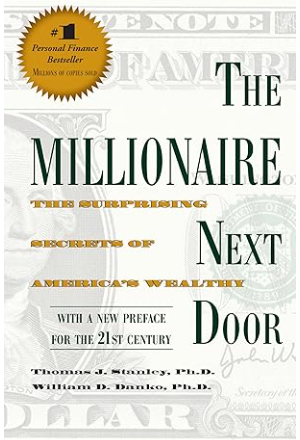
The New 2018 ebook best selling series has begun! William D. Danko’s True Prosperity
Takes More Than Money.
Enter the new title and get your copy today!
The bestselling The Millionaire Next Door identifies seven common traits that show up again and again among those who have accumulated wealth. Most of the truly wealthy in this country don’t live in Beverly Hills or on Park Avenue-they live next door. This new edition, the first since 1998, includes a new foreword for the twenty-first century by Dr. Thomas J. Stanley.