The Man in the Car Paradox: Why Driving a Ferrari Makes You Invisible
We tend to judge wealth by what we see. We see the cars, the watches, the Instagram vacations. We say, “Wow, that person is rich.”
But Morgan Housel, in his masterpiece The Psychology of Money, argues that we have it all wrong. Wealth is not what you see. Wealth is what you don’t see.
Wealth is the nice car not purchased. The diamond watch not worn. The first-class upgrade declined. Wealth is financial assets that haven’t yet been converted into the stuff you see.
In this review, we are going to explore the most counter-intuitive lesson from the book: The Man in the Car Paradox.
1. The Man in the Car Paradox
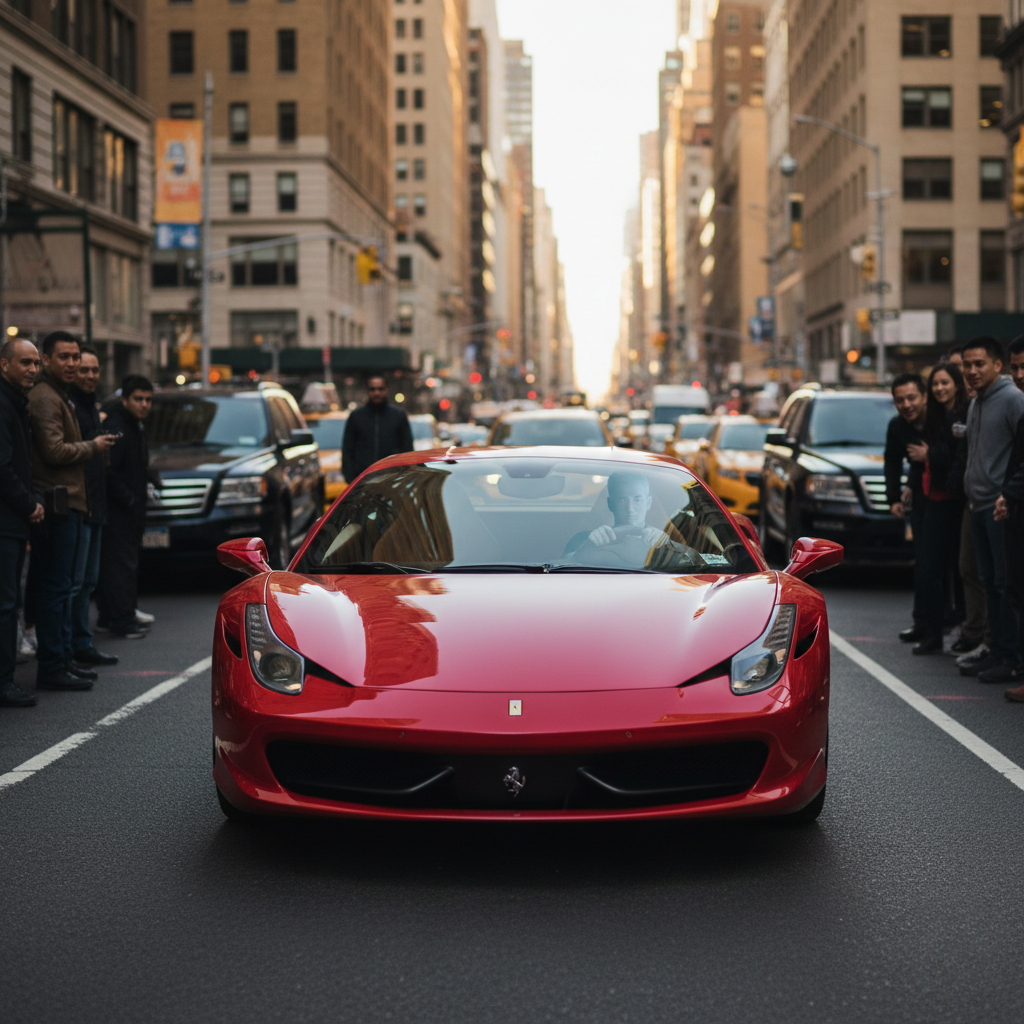
Imagine you see a bright red Ferrari driving down the street. It’s loud, it’s shiny, it’s expensive. What is your first thought?
Do you think: “Wow, the guy driving that car is so cool! I bet he has great taste and is really smart.”?
No. You think: “Wow, if I had that car, people would think I’m cool.”
Here is the paradox: No one cares about your possessions as much as you do.
When you buy luxury items to signal status, you think you are buying respect and admiration. But people don’t look at you. They look at the object and use it to fantasize about themselves. The driver is invisible.
“Humility, kindness, and empathy will bring you more respect than horsepower ever will.” — Morgan Housel
2. Rich vs. Wealthy: Knowing the Difference
Housel makes a brilliant distinction that changed how I view money:
- Rich is current income. It’s the person driving the $100,000 car. We know they are rich because we see the money leaving their account to pay for the car.
- Wealthy is hidden. It’s income not spent. It is the option to not work tomorrow. It is the flexibility to refuse a meeting you don’t want to attend.
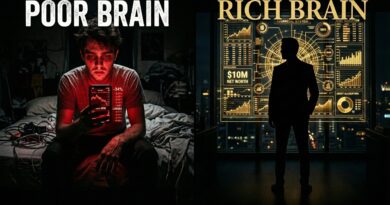
The world is filled with people who look modest but are actually wealthy, and people who look rich but are living on the edge of insolvency. “Mind Be More” philosophy is about being wealthy, not just looking rich.
3. The Highest Dividend Money Pays

Why should you save money? To buy a bigger house? To buy a boat? No. The ultimate goal of wealth is Freedom.
Housel argues that the highest dividend money pays is the ability to control your time.
- Being able to wake up and say, “I can do whatever I want today.”
- Being able to leave a toxic job without panic.
- Being able to retire when you are still young enough to enjoy it.
Buying a luxury car gives you a rush of dopamine for a month. Buying freedom gives you a rush of peace for a lifetime.
Conclusion: The Price of Ego
Building wealth has little to do with your income or investment returns, and lots to do with your savings rate. And your savings rate is just the gap between your ego and your income.
If you can keep your ego low, your savings will rise.
The Psychology of Money is not a finance book about spreadsheets. It is a philosophy book about how to live a good life. It is the most important book you will read this year.
Get the Book: The Psychology of Money
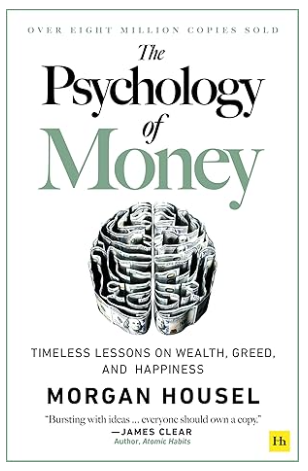
**OVER 8 MILLION COPIES SOLD AROUND THE WORLD… The Psychology of Money is the original bestselling classic from the author of the new book, Same as Ever.**
Doing well with money isn’t necessarily about what you know. It’s about how you behave. And behavior is hard to teach, even to really smart people.
Money―investing, personal finance, and business decisions―is typically taught as a math-based field, where data and formulas tell us exactly what to do. But in the real world people don’t make financial decisions on a spreadsheet. They make them at the dinner table, or in a meeting room, where personal history, your own unique view of the world, ego, pride, marketing, and odd incentives are scrambled together.