When Genius Failed: Why Isaac Newton Lost Millions in the Stock Market
Sir Isaac Newton was one of the smartest humans to ever live. He invented calculus, formulated the laws of motion, and unraveled the secrets of gravity.
He was a genius in every sense of the word. But in the spring of 1720, this genius made a mistake that cost him his entire fortune.
He didn’t lose his money in a lab experiment or a theft. He lost it in the stock market.
Newton’s story is the ultimate proof that financial success has little to do with how smart you are, and everything to do with how you behave. In this article, we travel back to 18th-century London to uncover the story of the South Sea Bubble.
1. The Hype: The South Sea Company
In the early 1700s, the South Sea Company was the “Bitcoin” or “AI Stock” of its day. The company promised massive profits from trading with South America. The hype was unreal. Everyone from housemaids to Dukes was buying shares.
Newton, being a prudent man, invested early. He bought shares, saw them rise, and sold them for a handsome profit of £7,000 (roughly $1.5 million today).
He did the rational thing. He took his profit and got out. But then, something dangerous happened.

2. The FOMO Moment: When Logic Fails
After Newton sold, the stock price didn’t stop. It kept going up. And up. And up.
Newton watched his friends—people far less intelligent than him—becoming incredibly rich overnight. They were buying estates and carriages while Newton sat on the sidelines with his “small” profit.
The psychological pressure of FOMO (Fear Of Missing Out) became too much.
Abandoning his logic, Newton jumped back into the market. He bought back the same stock at three times the price he sold it for. And he didn’t just invest a little; he emptied his savings to catch the wave.
3. The Crash and The Lesson
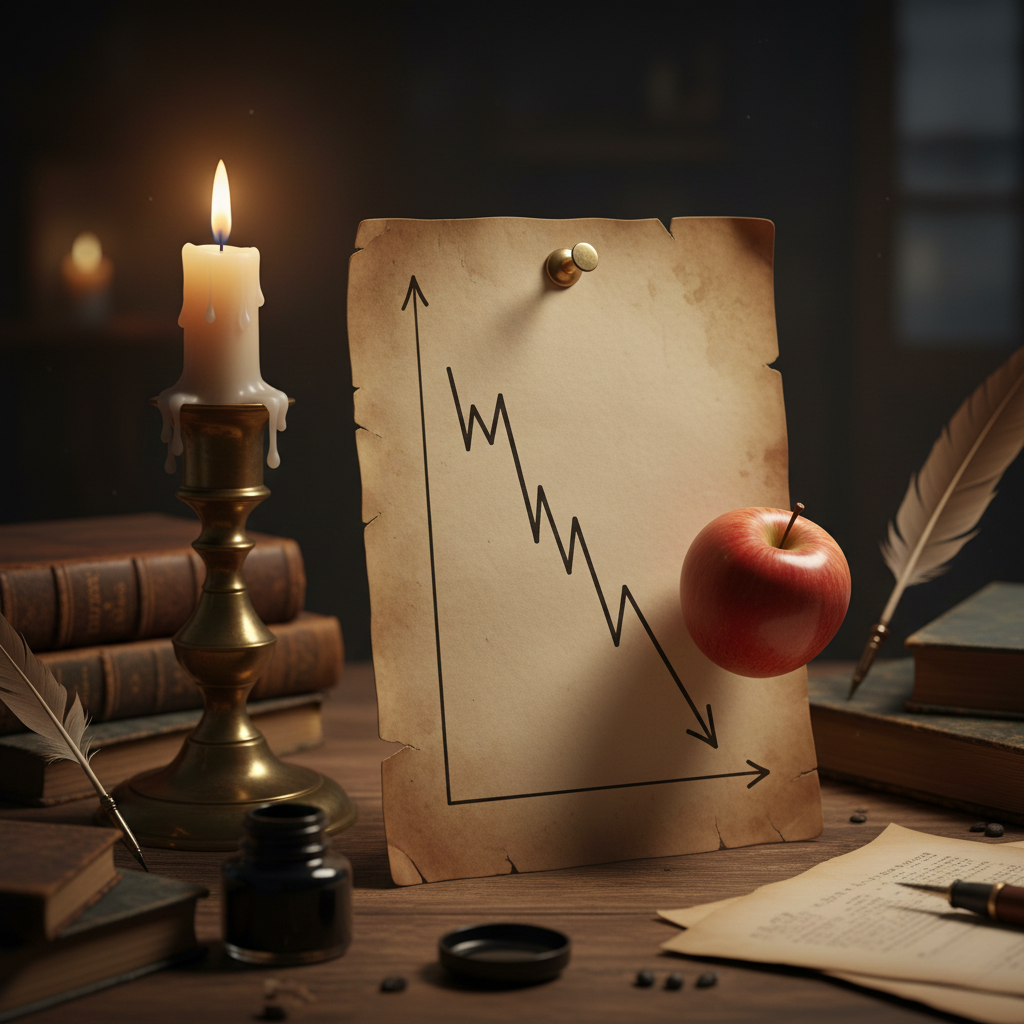
Almost immediately after Newton bought back in, the bubble burst. The stock price collapsed from £1,000 to nearly zero in weeks.
Newton lost £20,000—equivalent to over $4 – $5 million in today’s money. He was financially devastated.
For the rest of his life, he forbade anyone from speaking the words “South Sea” in his presence. But he left us with a quote that summarizes behavioral finance better than any textbook:
“I can calculate the motions of heavenly bodies, but not the madness of people.” — Sir Isaac Newton
Conclusion: IQ vs. EQ
What can we learn from a 300-year-old mistake?
- Intelligence is not enough: You can be a genius and still be a terrible investor if you cannot control your emotions.
- Envy is the enemy: The quickest way to destroy your wealth is to worry about how much money someone else is making.
- Gravity applies to finance: What goes up parabolically, must come down.
Don’t try to outsmart the market. Try to master yourself.
Further Reading & Resources
- Book: The Intelligent Investor by Benjamin Graham (See the chapter on Mr. Market)
- Article: Why Your Brain Hates Losing Money (And How It Costs You Millions) – Mindbeamer
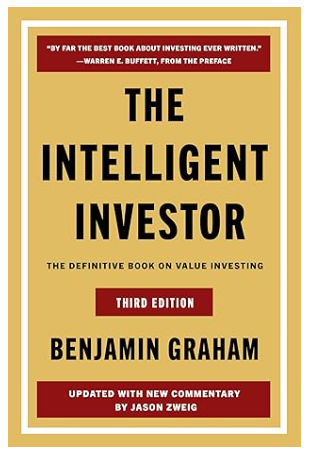
75th Anniversary Edition
The classic work on investing, filled with sound and safe principles that are as reliable as ever, now revised with an introduction and appendix by financial legend Warren Buffett—one of the author’s most famous students—and newly updated commentaries on each chapter from distinguished Wall Street Journal writer Jason Zweig.
“By far the best book about investing ever written.”—Warren Buffett
Since its original publication in 1949, Benjamin Graham’s revered classic, The Intelligent Investor, has taught and inspired millions of people worldwide and remains the most respected guide to investing. Graham’s timeless philosophy of “value investing” helps protect investors against common mistakes and teaches them to develop sensible strategies that will serve them throughout their lifetime.
Market developments over the past seven decades have borne out the wisdom of Graham’s basic policies, and in today’s volatile market, The Intelligent Investor remains essential. It is the most important book you will ever read on making the right decisions to protect your investments and make them grow.